LEARN MORE ABOUT BLACK HISTORY
and CULTURAL DIVERSITY

HISTORY HAS MUCH TO TEACH US--
Our main mission is to promote
TRUTH, JUSTICE, FAIRNESS, AND EQUAL OPPORTUNITY...
including: multi-cultural awareness, cultural diversity,
spiritual topics, and the true facts of history.
BECAUSE WE LIVE IN A SOCIETY THAT HAS BECOME INTEGRATED WITH A WIDE VARIETY OF ETHNIC, RACIAL AND RELIGIOUS GROUPS --IT HAS BECOME INCREASINGLY IMPORTANT THAT WE ALL DEVELOP A BETTER UNDERSTANDING OF THE VARIOUS ETHNIC GROUPS THAT MAKE UP THIS SOCIETY.
Our ethnicity (cultural heritage) is part of who we are as individuals and unless you were raised with no sense of cultural heritage, your ethnicity has some impact on how you see the world and how the world sees you. To discount a person's ethnicity in dealing with them on a personal level is to ignore a part of that person's human being-ness.
Understanding cultural differences helps us to develop better relationships, to improve communication and to manage business affairs in more effective ways. Each culture has its own style of behaviors--- showing emotions, expressing humor, listening , & learning. We need to begin to understand these cultural differences in order to be more effective educators, managers, and leaders….and to be able to solve human relations conflicts. Culture shapes our attitudes, values, learning-styles, and behavior. It effects the way we communicate with each other, the way we negotiate, the way we buy and sell, and the way we handle schooling.
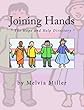
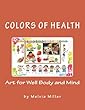
EDUTAINMENT ACTIVITIES INCLUDE COLORING PAGES -


WHAT IS CULTURE ?
CULTURE = the totality of socially transmitted behavior patterns, arts, styles, music, beliefs, institutions, and all other products of human work and thought. These patterns, traits, and products considered as the expression of a particular class, community, ethnic group or population.
For example: Cultures express themselves in these forms:
"Chinese Food".... "Latin music" ... or
"African-American Art"
Differences in value systems, communication & language styles attitudes may effect schooling, habits, relationships, and sales from one culture to another.

PUBLIC SCHOOLS IN THE U.S. ARE MORE RACIALLY SEGREGATED THAN EVER !
Schools in the United States are more segregated today than they have been in more than four decades. Millions of non-white students are locked into “dropout factory” high schools, where huge percentages do not graduate, and few are well prepared for college or a future in the US economy.
According to a new Civil Rights report published at the University of California, Los Angeles, schools in the US are 44 percent non-white, and minorities are rapidly emerging as the majority of public school students in the US. Latinos and blacks, the two largest minority groups, attend schools more segregated today than during the civil rights movement forty years ago. In Latino and African American populations, two of every five students attend intensely segregated schools. For Latinos this increase in segregation reflects growing residential segregation. For blacks a significant part of the reversal reflects the ending of desegregation plans in public schools throughout the nation. In the 1954 case Brown v. Board of Education, the US Supreme Court concluded that the Southern standard of “separate but equal” was “inherently unequal,” and did “irreversible” harm to black students. It later extended that ruling to Latinos.
The Civil Rights Study shows that most severe segregation in public schools is in the Western states, including California—not in the South, as many people believe. Unequal education leads to diminished access to college and future jobs. Most non-white schools are segregated by poverty as well as race. Most of the nation’s dropouts occur in non-white public schools, leading to large numbers of virtually unemployable young people of color.
DO YOU LOVE GOOD BOOKS?
WANT TO EARN MONEY IN YOUR FIELD WITH BOOKS ?

PARTICIPATE IN EVENTS...
AND HELP GOOD CAUSES:
SPICE UP YOUR WORKSHOPS, CLASSES & LIBRARY


" Intellectuals ought to study the past--- not for the pleasure they find in so
doing.... but to derive lessons from it." ...
~ Quote from Cheikh Anta Diop (historian)
How much do you know about ANCIENT BLACK HISTORY
... ancient Egypt and other civilizations ?
HOW MUCH DO YOU KNOW... about the
history and roots of religion?


"BRAVE LIKE ME"
...(En-COURAGE-ment from Black Achievers)....
It is said that.... "Big things come in small packages.
" Well ....this book is an example of the concept.
HAVE FUN LEARN MORE ABOUT THE LEADERS & ACHIEVERS
FROM BLACK
HISTORY...Readers will find the pictures and quotes
in this book to be
inspirational and empowering.
It is a wonderful , powerful collection of pictures of dynamic Black
people who have acted with courage in reaching their goals.
A touch of humor is sprinkled throughout for more enjoyable reading.
THIS BOOK IS EXCELLENT FOR YOUNG STUDENTS who want to learn more about the Golden
Legacy of Black History.
They are shown with their own quotes that explain their beliefs.
Learn more about how some of
them fought against injustices, and acted
to teach & empower others, -- to help make the world a
better
place. It also includes wise inspirational words.
THIS BOOK MAKES A GREAT SUPPLEMENT TO ANY CLASSES STUDYING BLACK HISTORY,
CULTURAL ISSUES... etc.
LEARN MORE ABOUT BLACK HISTORY...
Click on the picture of the book to purchase via AMAZON.COM


GET BIG DISCOUNTS WHEN YOU PURCHASES QUANTITIES...
Click here to get BOOKS and a DVD by Author M. MILLER
"By the time we leave for work daily,
Americans have depended upon the many
inventions that came from the minds
of Black people."
....~ QUOTE from Dr. Martin Luther King, Jr.


WORKBOOKS AND ACTIVITIES ARE FUN WAYS TO LEARN
This coloring book offersmany hours of fun for young people.
SPECIAL: Get 12 books for only$99.00
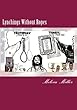
Learn more about the problems
involved with the
TRAYVON MARTIN case...and
other similar cases,
such as: SEAN BELL, OSCAR
GRANT....KEN CHAMBERLAIN...etc.

BOOKS ALSO AVAILABLE ON AMAZON.COM
WANT TO PROMOTE SOMETHING POSITIVE?

LEARN MORE ABOUT MULTI-CULTURAL ISSUES:
Click on the picture of the book to purchase via AMAZON.COM

Now you can get unique EDUTAINMENT BOOKS &GIFTS at big discount
prices. Use them to start a BOOK CLUB or raise funds for schools,
youth groups, tutoring services, sports teams, churches, etc.
DONATE some to your local school's library. Or become a CONSULTANT.